
Hiroshi Tanaka
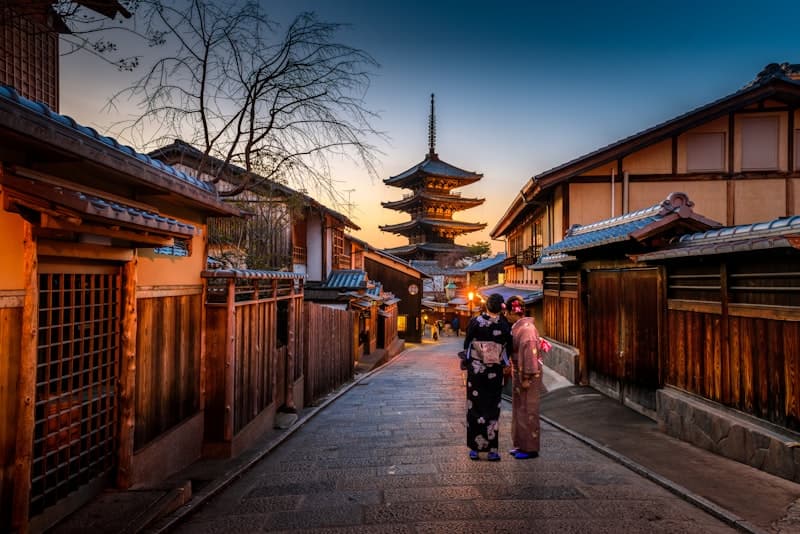
Senior Cultural EditorKyoto is not merely a city; it is an atmosphere. To understand it, one must look past the golden pavilions and the vermilion gates of Fushimi Inari. The true Kyoto exists in the spaces between—the hush of a dry landscape garden at dawn, the whisking of matcha in a dimly lit tea room, and the subtle nod of a geiko disappearing into a wooden alleyway in Gion.
"In Kyoto, silence is not the absence of sound, but the presence of meaning."
Our journey begins not at a major tourist site, but at Tawaraya, often cited as the finest ryokan in Japan. It is an establishment that defies the modern definition of luxury. There is no infinity pool, no technological wizardry. Instead, there is perfect proportion. Every sliding door, every hanging scroll, and every seasonal flower arrangement is placed with an intention that borders on the sacred.
The Art of Omotenashi
Omotenashi is famously translated as 'hospitality', but to the Kyoto innkeeper, it translates more accurately to 'anticipation'. It is the hot towel offered before you realize you are cold. It is the meal adjusted to your preference before you speak a word. This level of service requires a profound empathy, a shedding of the ego that is rare in the Western world.
Share this story